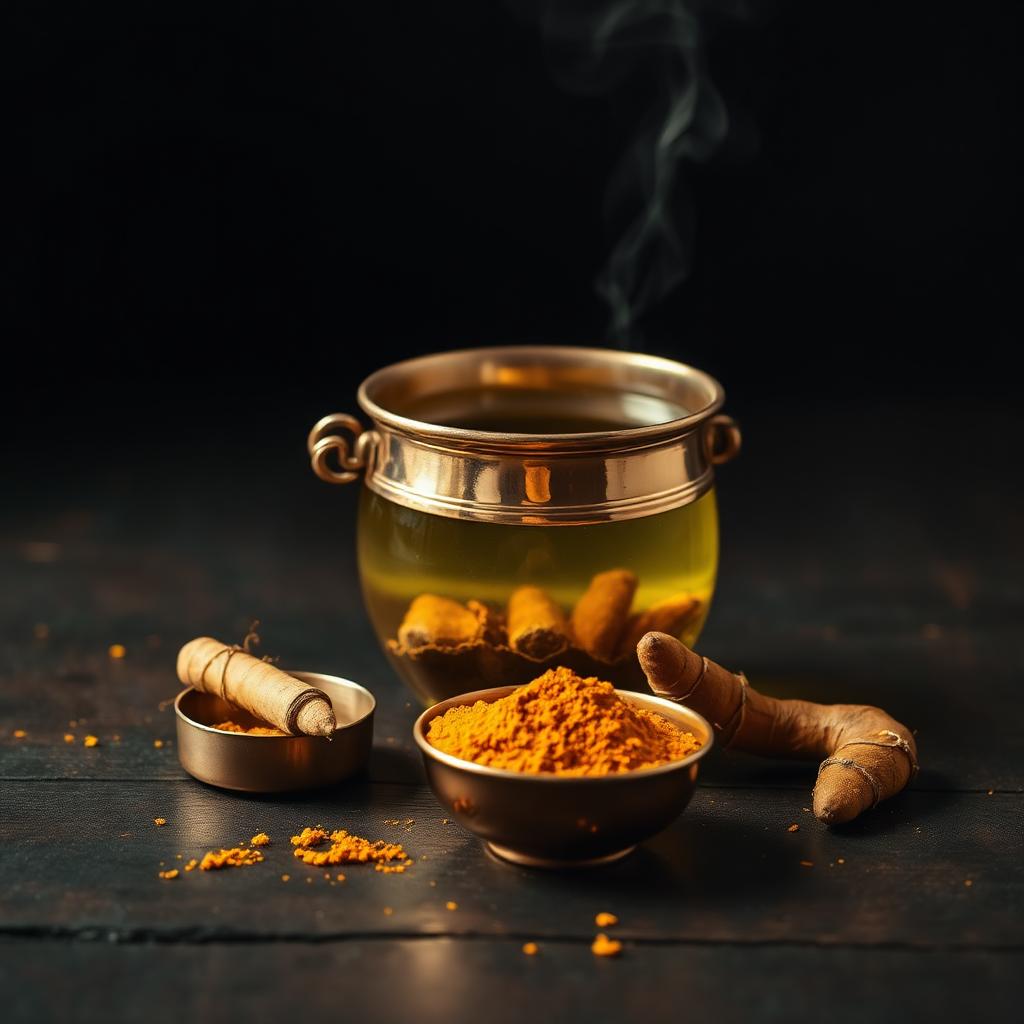
What is Tamra Jal?
Tamra Jal (literally "copper water" in Sanskrit) is the ancient practice of storing drinking water in a pure copper vessel overnight and drinking it first thing in the morning. The classical Ayurvedic text Charaka Samhita, written more than two thousand years ago, names copper as one of the most beneficial metals for water storage.
The reasoning is simple. As water sits quietly in pure copper for six to eight hours, the metal slowly releases trace ions into it. Ayurveda calls the result a tridoshic tonic — one that balances all three doshas (vata, pitta, kapha) and gently wakes the body's systems for the day ahead.
The seven traditional benefits of copper water bottles
Ayurveda has long associated Tamra Jal with the following benefits. These are shared as heritage and tradition, not as medical advice — speak to a qualified practitioner about your own health.
- Supports digestion. Drinking warm copper water at dawn is traditionally said to stimulate agni (digestive fire), ease bloating, and prepare the gut for the day's first meal.
- Aids natural detoxification. The morning glass is held to flush the kidneys and liver and encourage gentle elimination.
- Encourages clear skin. Generations of Indian grandmothers credit copper water with a brighter, calmer complexion — copper is one of the trace minerals the body uses to form collagen and melanin.
- Helps balance the immune system. Copper is well known as an antimicrobial surface; the World Health Organization recognises it as a contact biocide. Storing water in copper draws on the same property.
- Supports joint comfort. Ayurveda recommends Tamra Jal for those with vata-related stiffness; copper is also a cofactor for several enzymes involved in connective-tissue repair.
- Helps regulate blood pressure and cholesterol. Traditional texts describe copper water as cooling and balancing for the cardiovascular system.
- Slows the visible signs of ageing. Copper is part of the body's antioxidant defence, neutralising free radicals that contribute to lined skin and tired tissue.
Are copper water bottles safe?
Yes — when the bottle is pure, unlined, food-grade copper and you use it the traditional way. Three rules keep Tamra Jal safe and beneficial:
- Drink it once a day, in the morning. One glass on an empty stomach is the practice. Through the rest of the day, drink from glass, steel, or earthenware so your copper intake stays within the gentle range Ayurveda recommends.
- Only store plain drinking water. Never store lemon water, juice, milk, buttermilk, or any acidic liquid in copper — the acid pulls too much copper into the drink and can cause nausea.
- Use a bottle that is genuinely pure copper inside. Many cheap "copper" bottles are nickel- or stainless-steel-lined. These do nothing — the water never touches the copper. TAMRA bottles are 100% pure, unlined, hand-hammered copper, FSSAI-certified for food contact.
If you are pregnant, breastfeeding, taking medication for a copper absorption disorder (such as Wilson's disease), or have a known copper sensitivity, check with your doctor before adding Tamra Jal to your routine.
How to use a copper water bottle (the right way)
- Wash a new bottle first. Rinse the inside with a paste of lemon and salt (or tamarind), swirl, then rinse with warm water and dry.
- Fill at night. Use filtered or boiled-and-cooled water at room temperature. Never use boiling water — heat damages the metal.
- Rest for 6–8 hours. Keep the bottle upright, lid on, away from direct sunlight.
- Drink first thing in the morning. One full glass, on an empty stomach, before tea or food.
- Refill fresh each night. Don't keep refilling the same water through the day.
Cleaning and caring for your copper bottle
Real copper darkens over time — that's a sign of authenticity, not a flaw. To bring back the warm glow once a week or two:
- Make a paste of one tablespoon of salt and the juice of half a lemon (or use tamarind pulp).
- Rub it over the inside and outside of the bottle with a soft cloth.
- Rinse with warm water and dry immediately — never leave copper wet.
- Avoid dishwashers, steel wool, baking soda, and any harsh chemical cleaners.
A note on claims
Everything above is shared in the spirit of Ayurvedic heritage and lived kitchen tradition. It is not a substitute for medical advice. TAMRA's promise is simple: we make the vessel as pure as our grandmothers' were — what you do with it is part of your own ritual.